
Multi Media Story

What is a Flock camera?
Flock cameras are classified as Automated License Plate Readers (ALPRs) and are owned and operated by Flock Safety. ALPRs are a nationwide network of cameras that come together to form a mass surveillance system capable of tracking the public's movements. The police are allowed to surveil and follow citizens without the need for a warrant and Flock is able to aggregate vast quantities of involuntarily collected data. Flock cameras track people and can compile profiles on those it sees such as your face, clothing, the places you go, and even your gait (the way someone walks). Their primary advertised function was initially to monitor vehicles, however the use and function of their utility by law enforcement has far exceeded the scope of mere traffic supervision.


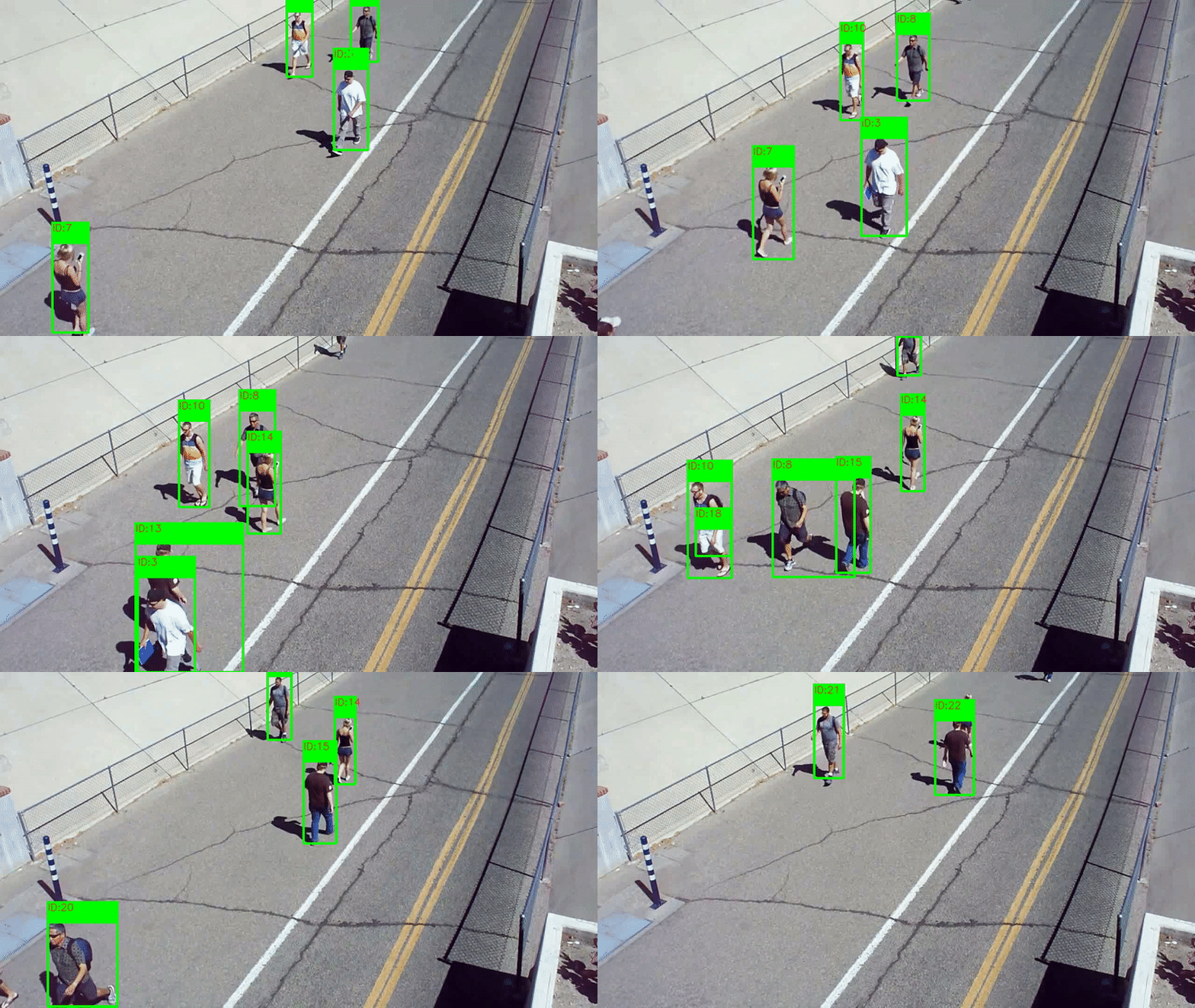
There have already been officers fired or criminally charged across the country for abusing this software for illegitimate purposes such as stalking or harassment of ordinary citizens. Notable recent incidents have occurred in Indianapolis, Georgia, Massachusetts, and Texas.
All statistical data presented are close approximations of real figures. Locations of ALPRs and other information is not made readily available to the public by ALPR manufacturers. Information regarding locational and statistical data is made possible by citizen-made reports to ALPR watchdogs. Sources for information found in this article can be found at the bottom of the page.
The first two Flock cameras in San Marcos were implemented March 26, 2024. At the time, there were less than 20 cameras between Bexar County and Travis County. Today, there are nearly 2000 Flock cameras in operation between the greater San Antonio and Austin areas. Below are rough approximations of the number of active Flock cameras across counties between San Antonio and Austin (as of November 2026).
The city of Dayton, Minnesota voted to end the use of Flock cameras in August. The city ordered that the cameras be removed. Flock ignored and failed to respond to the city order. On September 29th it was reported that Flock installed more cameras without the city's prior approval.
According to the ACLU, there are approximately 120,000 Flock cameras currently installed throughout the US and less than 1% of scanned cars are connected to crime or wrongdoing.
"Problems: a lack of transparency, oversight, and regulation into how they collect, store, and use our data, and how to hold public and private actors accountable if they abuse it." -ACLU
The city of San Marcos discontinued all on-going contracts with ALPR's as of February 2026. However, more cameras continue to pop up especially along I-35 as well as various neighborhoods, shopping centers, and rural roads.
As you can see, the number of ALPRs in the United States has exploded in recent years. From January 2024 to 2025 represents a 565.33% increase in cameras, 1145 cameras increased to 7618. From 2025 to 2026, the increase from 7618 to 63,305 shows a 730.99% increase in surveillance. As of November 2026, there are 120,000 or more Flock cameras in operation. The alarming part is that these figures are only the cameras that have been reported by citizens. There may be a significant amount more that is unknown to the public but the lack of transparency from manufacturers as well as local, state, and federal governmental bodies have created a wall of obfuscation.
An overwhelming 80% of ALPRs are manufactured by Flock.
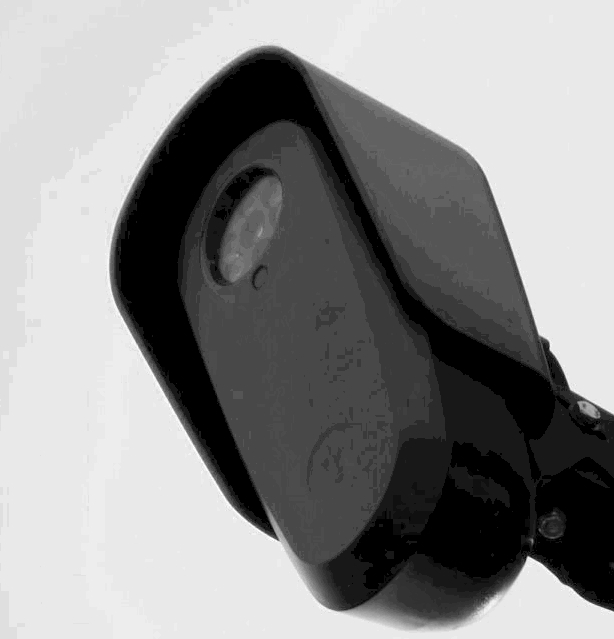
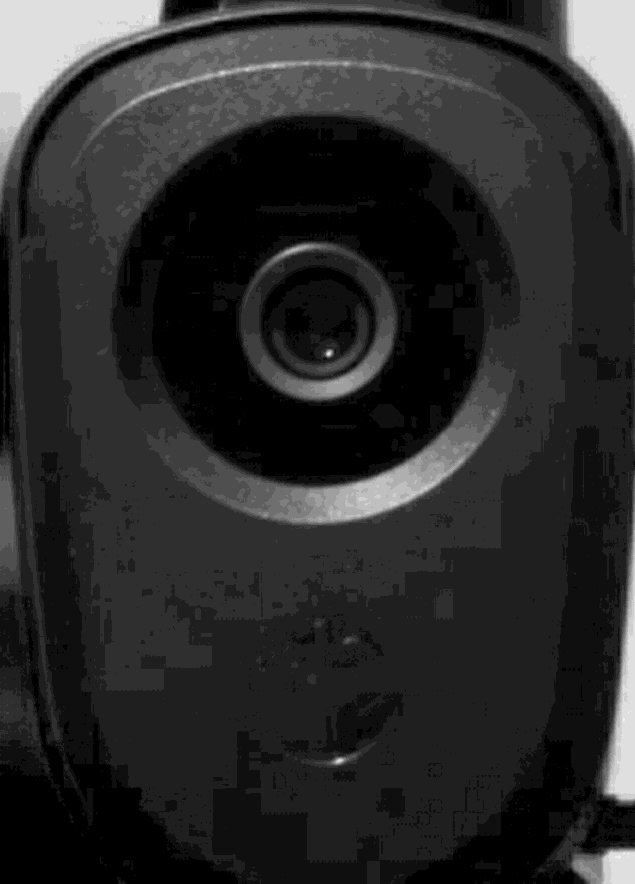
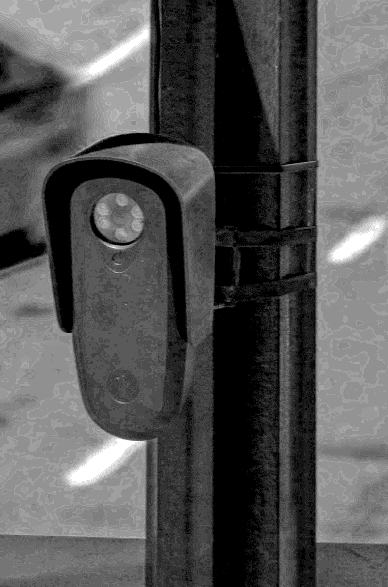
Texas officers used Flock cameras in 2025 to perform an out-of-state-search for a woman purported to have had an abortion. The state that this occurred in, abortion is legal. This did not stop Flock from using 83,345 cameras nationwide in an effort to track her location.
"In this example, the affordances of Flock's system seem to encourage such infractions, operating as an accessible search engine—a form of Google for the police that invites abuse while shielding police, for the most part, from scrutiny." -Torin Monahan, Professor of Communication at University of North Carolina
Due to negative publicity generated by the event, Flock claimed they were performing a welfare search. However, this was debunked when records obtained by the Electronic Frontier Foundation led to the discovery that the police were pursuing a 'death investiation' of a 'non-viable fetus' AND had already consulted with prosecutors about charging the woman with homicide.
ALPRs are being used unlawfully by ICE to racially profile what officers perceive as 'illegal immigrants.' Since ICE doesn't have immediate access to said systems, the police cooperate and collaborate to deploy Flock systems in their 'investigations.'
According to the ACLU, this abuse of surveillance systems is highly illegal since not only uncodumented immigrants have been victim to persecution, but green card holders, naturalized citizens, and others with lawful legal status.
States with the highest amount of ALPRs:
Resources
Next Page